


Sitemap
Vision Creates Future

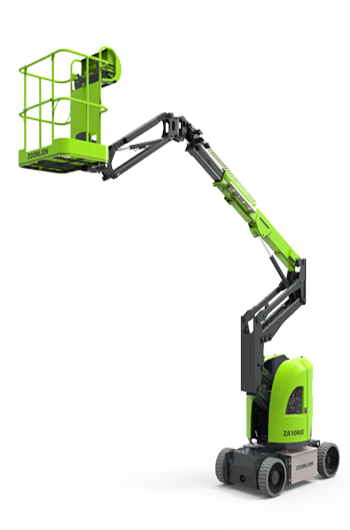
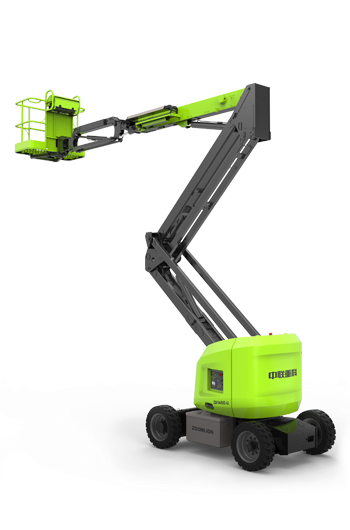
As construction activity, industrial maintenance, and warehouse expansion continue across different regions, operator training has become a more detailed process for equipment owners and rental companies. At Zoomlion Access, we pay close attention to how certification standards differ between markets because training directly affects project safety, equipment utilization, and daily site coordination. Many contractors now request proof of qualification before workers can use an elevated work platform on active jobsites. This requirement is especially important for companies that manage cross-border projects. Some training centers also work closely with aerial work platform manufacturers to match classroom instruction with real machine controls and emergency procedures. In recent projects, we have also seen growing interest in electric machines, including the articulating boom lift, because indoor applications and urban work environments often require lower noise and reduced emissions.
Regional Safety Standards
Certification rules vary significantly by country, and training managers must understand local requirements before assigning operators to a project. In the United States, OSHA regulations require workers to receive formal instruction, practical evaluation, and familiarization with the specific machine model used onsite. In Canada, provincial safety agencies often combine classroom learning with supervised field practice. European countries generally follow IPAF guidance and local labor standards for machine operation and rescue procedures. Singapore and several Middle Eastern markets place strong attention on documented operator records before an elevated work platform can enter restricted industrial areas. Because of these differences, many contractors now expect an aerial work platform supplier to provide technical documents, familiarization guidance, and maintenance records together with equipment delivery. Training programs are also becoming more detailed for battery-powered fleets because charging procedures and emergency shutdown methods differ from diesel equipment.
Rental Fleet Preparation
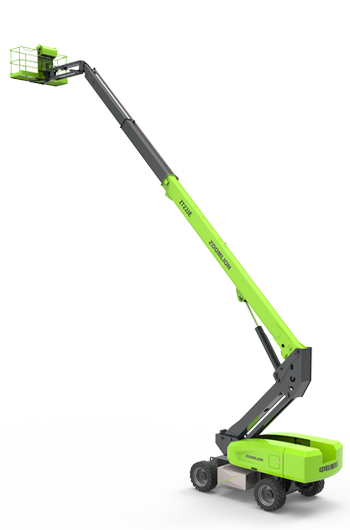
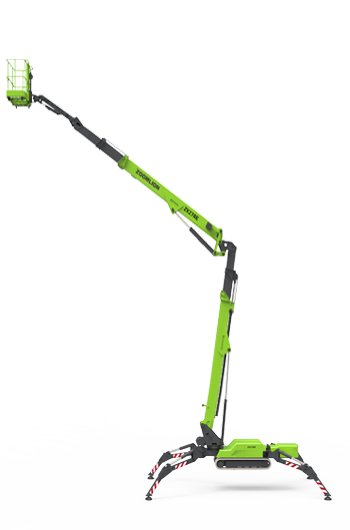
Training planning is no longer limited to basic driving instruction. Rental companies now prepare operators for terrain assessment, platform positioning, battery management, and remote diagnostics. At Zoomlion Access, we support this process through equipment designed for construction firms, rental businesses, and industrial service providers working in different operating conditions. Our product portfolio covers working heights from 6 to 82 meters and includes electric and engine-powered configurations certified under CE, ANSI, CSA, and KC standards. Many customers selecting an articulating boom lift focus on maneuverability in narrow areas where overhead structures and pipe systems create access limitations. We also see more procurement teams asking aerial work platform manufacturers about cloud-based fleet monitoring because training supervisors want better visibility into machine status and operator usage patterns. In several overseas markets, an experienced aerial work platform supplier is expected to assist customers with onboarding support before large projects begin.
Conclusion: Building Consistent Skills
Operator certification requirements will likely continue evolving as regional safety expectations and environmental standards change. Companies using an elevated work platform across multiple countries need structured training systems that align with local regulations and practical worksite conditions. At Zoomlion Access, we continue developing equipment and service support for rental fleets and contractors that manage international operations. For procurement managers comparing aerial work platform manufacturers, training compatibility, certification support, and equipment documentation have become important evaluation factors alongside machine performance. Demand for the articulating boom lift is also increasing in maintenance, municipal, and industrial applications where flexible positioning is required. At the same time, many project teams now expect an aerial work platform supplier to provide operational guidance that helps operators adapt to different regional compliance standards.
If you have any questions, please feel free to leave us a message