



Sitemap
Vision Creates Future

Understanding the mechanical limits of a straight boom lift is the most critical factor in maintaining a secure job site. At Zoomlion Access, we design our machinery with clear load charts that define the maximum weight allowed within specific work envelopes. Operators must recognize that load capacity typically includes the weight of the occupants, their tools, and any materials stored within the platform. Most standard units offer a dual-capacity design, allowing for a restricted range at higher weights or an unrestricted range with a lighter load. We emphasize that exceeding these limits can trigger safety sensors, effectively cutting off certain machine functions to prevent tipping. By carefully reviewing the technical data provided on the platform gate before starting a shift, your team can avoid the common pitfalls of overloading and ensure that the hydraulic systems operate within their intended structural parameters.
Operational Stability and Environmental Factors
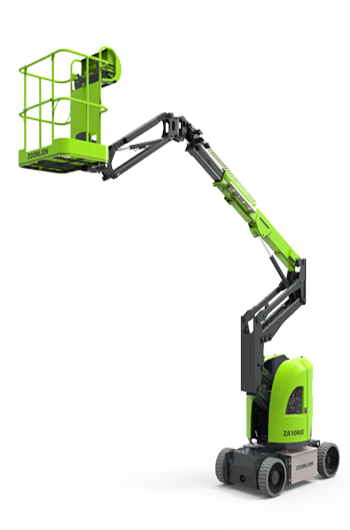
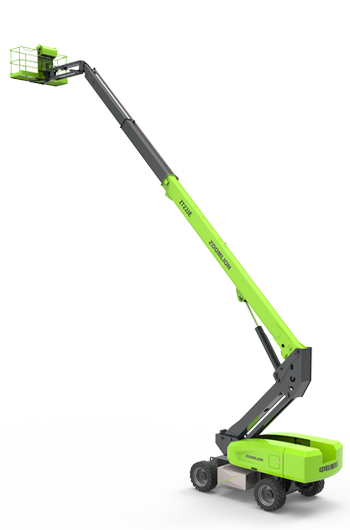
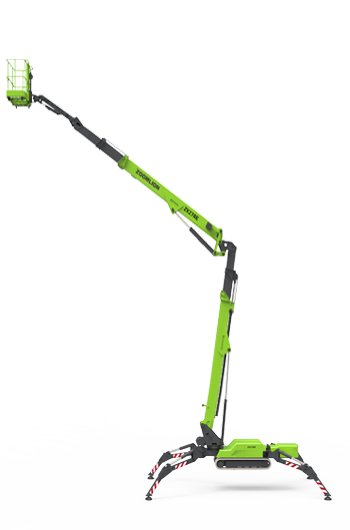
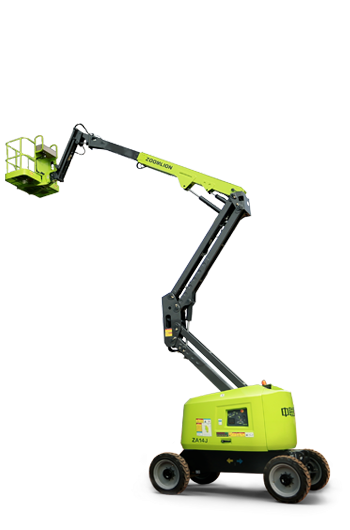
The physical environment plays a significant role in how a telescopic boom lift handles its rated capacity during extension. We often remind our clients that load limits are calculated based on a level surface and calm weather conditions. When the boom is fully extended horizontally, the leverage exerted on the chassis increases significantly, making it essential to adhere strictly to the manufacturer's weight specifications. Unlike a diesel articulating boom lift which uses multiple pivot points to gain oversight, a direct telescopic model relies on a single robust extension mechanism that demands precise balance. Factors such as wind speed can create dynamic loads that are not accounted for in simple static weight measurements. Our engineering team integrates high-precision sensors to help operators monitor these variables, but the primary responsibility remains with the user to verify that the combined weight of personnel and equipment does not compromise the center of gravity during high-altitude tasks.
Selecting the Right Equipment for Heavy Tasks
Choosing between different boom lift manufacturers requires a close look at how their specific models handle heavy-duty applications. We provide a diverse range of equipment reaching up to 82 meters, but even at these extreme heights, the principle of load management stays consistent across our entire fleet. If your project involves installing heavy glass panels or steel beams, you might require a high-capacity model specifically engineered for industrial construction. While a diesel articulating boom lift is excellent for reaching over obstacles, a straight boom lift is generally preferred for its straightforward path and higher lifting stability in direct vertical applications. We suggest that site managers conduct a thorough lift plan, accounting for every piece of hardware and the specific reach required. Utilizing a telescopic boom lift with the correct rated capacity ensures that the internal combustion engine and hydraulic pumps function at optimal efficiency without premature wear caused by strain.
Conclusion
Mastering the load capacity of your lifting equipment is a fundamental skill that directly impacts the efficiency and safety of your operations. Whether you are using a straight boom lift for simple maintenance or a massive telescopic boom lift for complex infrastructure projects, respecting the rated limits is non-negotiable. At Zoomlion Access, our mission is to provide reliable solutions that meet rigorous international standards like CE and ANSI. We believe that by educating operators on what they can and cannot safely lift, we help them make better decisions on the ground. A well-maintained diesel articulating boom lift or a specialized high-reach unit is only as safe as the person controlling it. By choosing experienced boom lift manufacturers that prioritize technical transparency and robust R&D, you are investing in the long-term protection of your crew and your project timeline.
If you have any questions, please feel free to leave us a message